
VI Group Advances Pilot Application of Chinese Spent Activated Carbon Recycling Technologies in Australia
Feasibility Assessment Focused on Gold Mining Process Scenarios
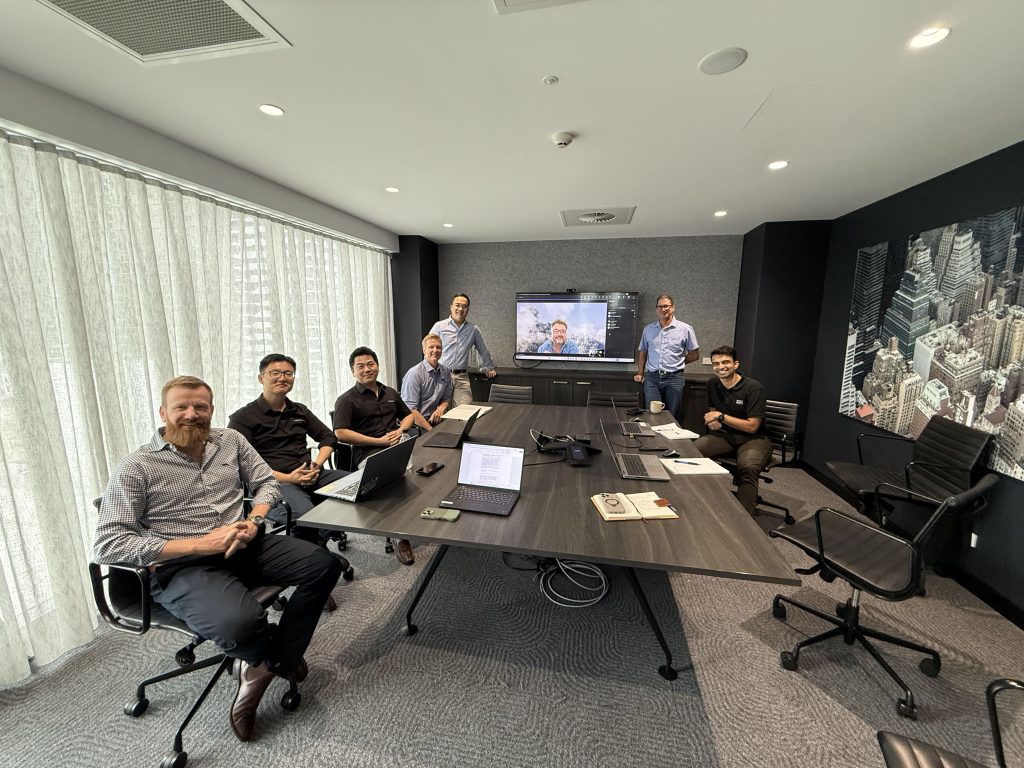
Within ongoing operational gold mining projects in Australia, VI Group is undertaking preliminary technical and regulatory research and planning related to spent activated carbon generated during gold production. The work focuses on assessing the feasibility of residual gold recovery and resource recycling solutions, as well as preparatory planning for potential project implementation. These efforts are intended to provide a professional and technical basis for future project advancement, while considering potential improvements in resource utilisation efficiency, waste disposal cost control, and compliance requirements, thereby delivering meaningful practical value.
The project is planned to be grounded in established Australian gold processing flows, including CIL (Carbon-in-Leach) and CIP (Carbon-in-Pulp) circuits. Based on site-specific conditions at operating Australian mines, VI Group is conducting technical reviews and adaptability analyses of mature Chinese recycling technologies and modular equipment, with particular emphasis on evaluating their application conditions and implementation pathways within Australian mining environments.
In parallel with the technical assessment, VI Group is incorporating Australian local process requirements and regulatory standards into the overall evaluation framework. This includes systematic consideration and benchmarking of key compliance matters such as environmental approvals, emissions control, dangerous goods transportation, and Work Health and Safety (WHS) obligations, ensuring that proposed technical solutions fully align with Australia’s mining operational and regulatory frameworks from the assessment stage onward.
Considering mine-site process conditions, logistical constraints, and operational and maintenance requirements, VI Group has undertaken a structured breakdown of the critical components involved in project advancement. This has enabled the progressive development of a practical working framework covering technical pathways, verification and testing requirements, and compliance considerations, thereby establishing a reliable foundation for subsequent pilot validation activities.